Why island food can feel so specific
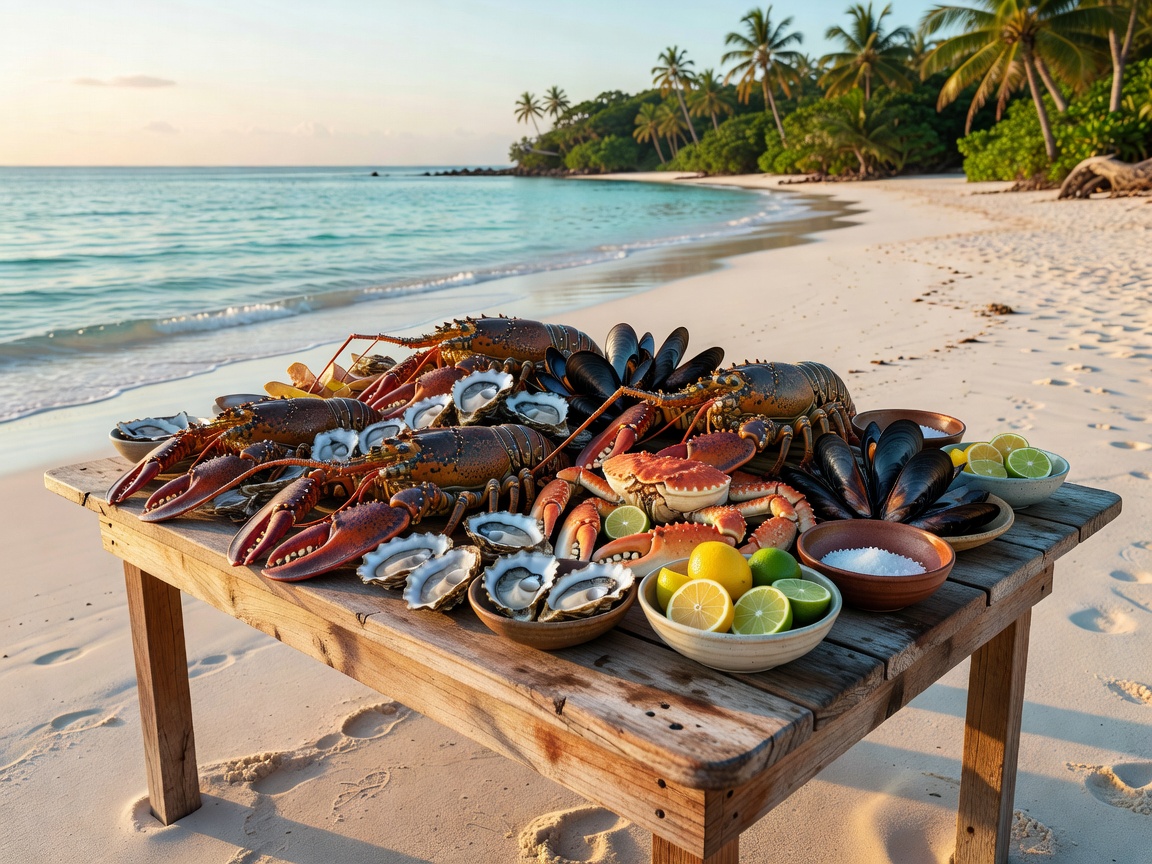
Islands are connected to larger countries and regions, yet their food traditions can be strikingly local. Sea crossings, landscapes, climate and distance from supply routes influence which ingredients are common and how they are kept. Trade and migration add more layers. A dish may share a name with one on the mainland but use a different ingredient, method or occasion on the island.
There is no single island cuisine. Mediterranean islands differ from one another, and the same is true of northern, Atlantic and Baltic destinations. Even within one island, a coastal community, farming village and larger town may have different daily food habits. That local variation is part of the pleasure of paying attention.
Start with the pantry
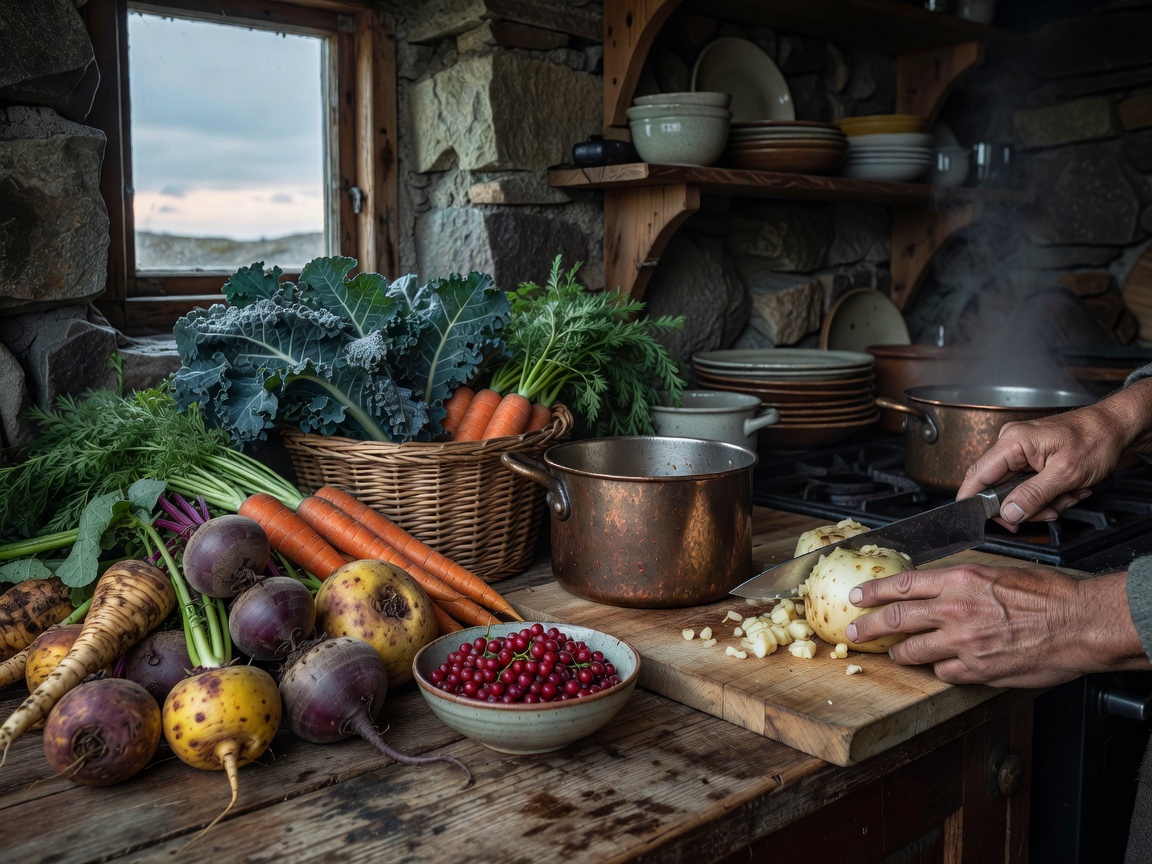
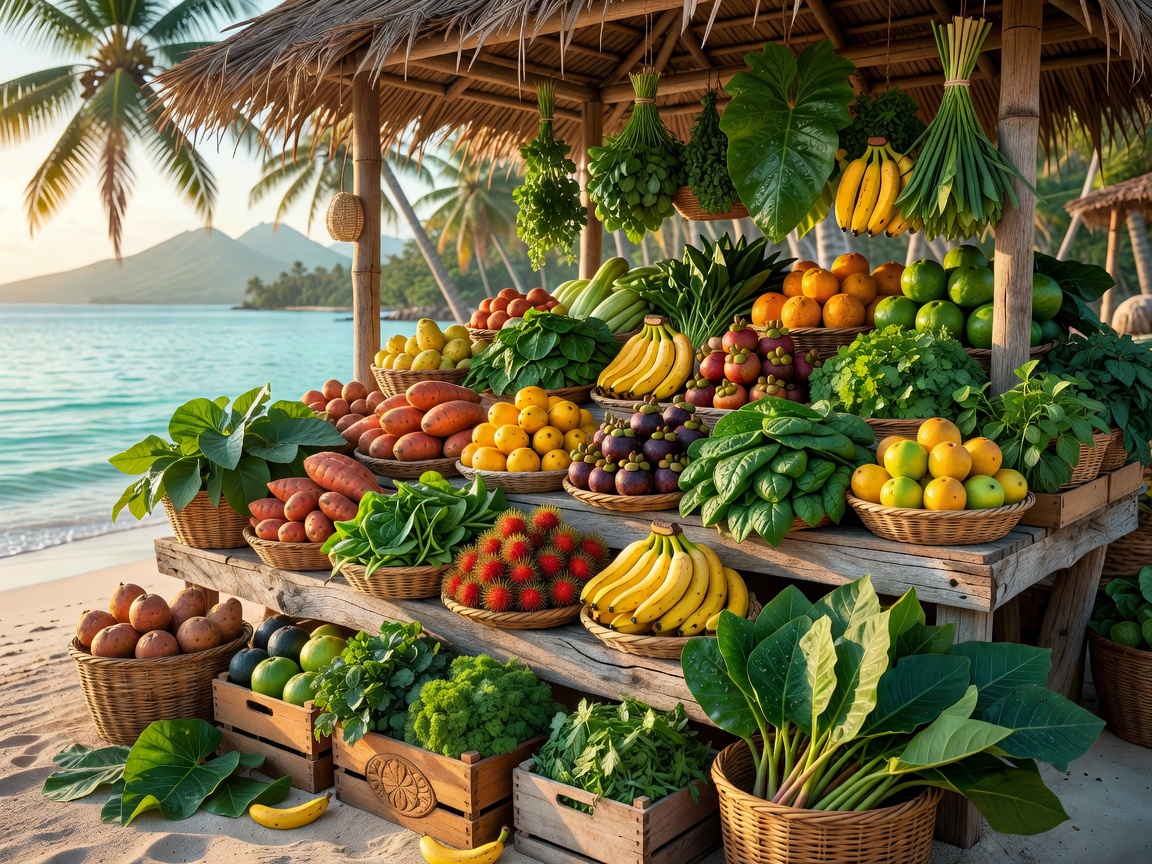
Notice the ingredients that appear in markets and everyday menus: grains, vegetables, fruit, herbs, dairy, pulses, fish or preserved foods. These tell a practical story about climate and agriculture. Citrus and olive oil may be important in some Mediterranean places, while rye, potatoes, berries and dairy can be more prominent in certain northern settings. Those are broad patterns, not a checklist for every island.
Preservation deserves a look too. Drying, salting, smoking, fermenting, pickling and storing in oil can be ways to keep seasonal abundance and reduce waste. Recipes evolve; the same traditional technique can appear in a home kitchen, a bakery or a modern restaurant, each with a different purpose.
Markets, bakeries and village tables
A market is useful even when you're not shopping for a full meal. Look at what's abundant, ask what is in season and notice the ingredients locals carry home. Market formats differ: some are daily shops, some weekly gatherings, and some are mainly aimed at visitors. Check current days and hours independently rather than assuming a market will be open.
Bakeries are another approachable entry point. Breads and pastries can tell you about grains, local taste and the rhythm of the day. Try a small selection, ask what is made locally and keep room for differences in terminology. In a village restaurant, a simple dish may speak to a home-style tradition more clearly than a menu designed to summarize a whole region.
Family-style meals and shared plates can be a warm way to eat, but customs vary. Ask about portions and how dishes are intended to be shared. Be mindful of local dining pace: an unhurried meal isn't necessarily slow service, and a busy lunch room may have a rhythm that feels different from what you're used to.
Traditional and contemporary
“Traditional” doesn't mean frozen in time. Families adapt recipes to what is available, and restaurant cooks interpret heritage through current techniques and changing tastes. A contemporary menu can be deeply connected to place; a familiar dish can be just as meaningful. Consider whether the restaurant explains ingredients with specificity, and decide what kind of experience you're looking for.
For regional specialties, ask what the dish means locally and when people usually eat it. Some foods are tied to holidays or harvest seasons; others are everyday staples. A menu's short explanation can be useful, but no single dish represents an entire island or community.
A practical comparison
- Market-led exploring: flexible and ingredient-focused, though opening schedules vary.
- Bakery visits: easy to fit into a day and often a good way to discover local breads; ask about allergens.
- Village dining: can offer regional context, but transport and seasonal hours matter.
- Modern restaurants: may connect local produce with new ideas; ask questions if you want the story behind a dish.
Good for
Curious eaters who want to understand daily food culture, try regional ingredients and make time for markets and bakeries.
What to know
Local specialties, market schedules and recipes vary by town and season. Dietary needs and allergens are best discussed directly with a vendor or restaurant.
Small ways to eat with more context
Learn the name of one local ingredient. Order a dish you haven't encountered before. Ask what is seasonal, and listen without expecting a definitive answer for the whole island. Choose a market or bakery that fits naturally into your day rather than trying to turn food discovery into a checklist. If a tradition matters to you, seek more than one perspective.
Keep exploring
Read about Mediterranean island restaurants, trace ingredients from the coast, or make a practical plan with our food trip guide.