Coastlines shape kitchens in different ways
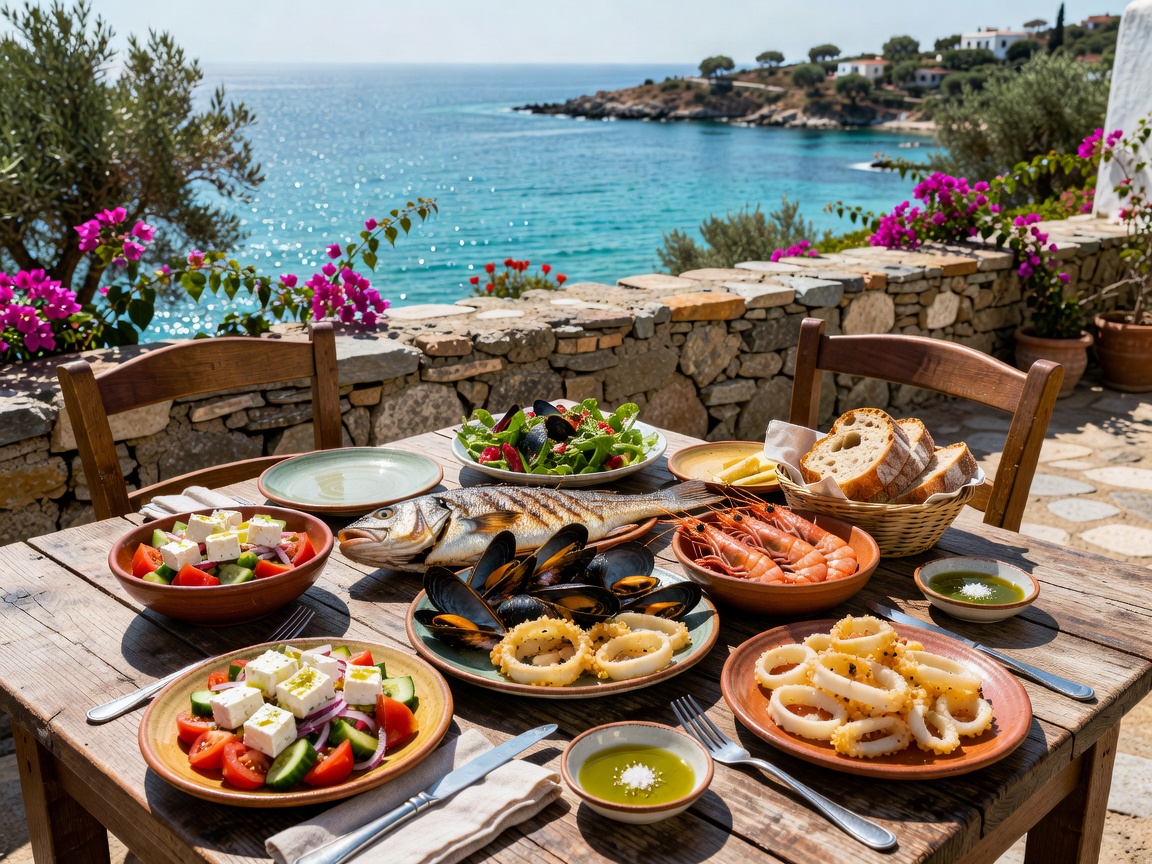
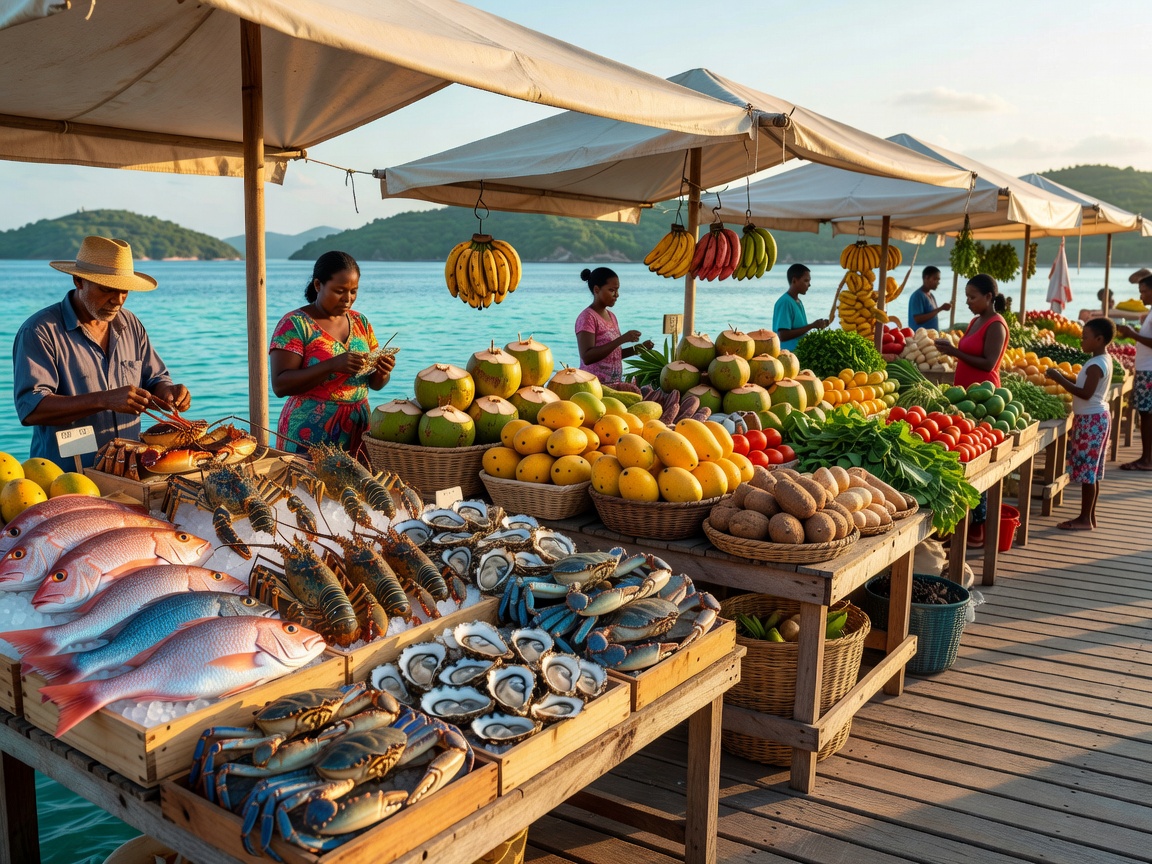
Proximity to the sea can influence what appears on a menu, how people preserve it and the rhythm of a working harbor. Mediterranean kitchens may feature sardines, anchovies, squid, octopus and shellfish in preparations that vary from island to island. Northern and Baltic traditions may draw on different fish, colder waters and preservation methods. These are broad descriptions, not a promise about what any particular restaurant serves.
Fishing communities are not interchangeable, and a menu is not a complete account of local practice. Species, regulations, weather and supply shift. A restaurant's current offer can change from day to day, so avoid planning around an assumed dish unless the venue confirms it.
Preparation matters as much as the ingredient
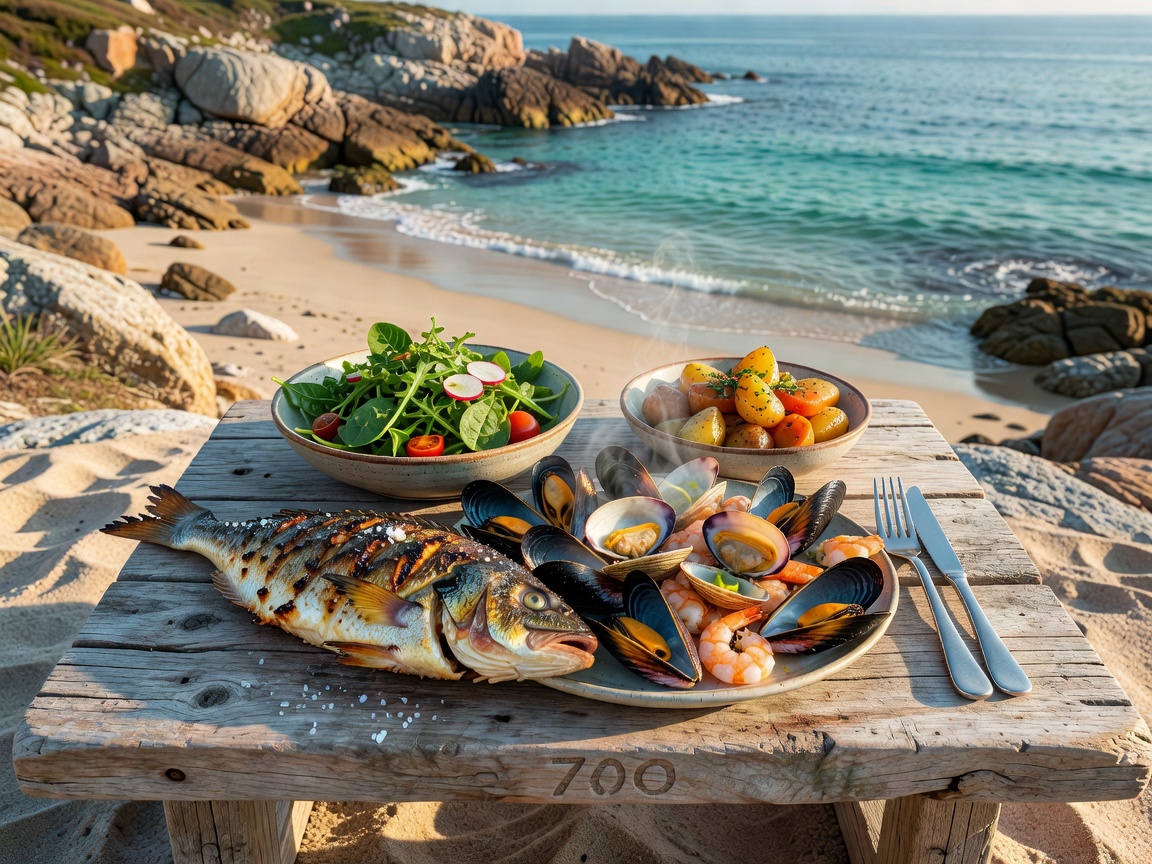
Grilling can keep a fish's flavor direct and simple; stews bring seafood together with vegetables, broth, herbs or grains. Squid may be grilled, fried or folded into a sauce. Mussels and oysters are served in different ways depending on the coast and the kitchen. Sardines and anchovies may be fresh, salted or preserved. Octopus can be handled with patience and tradition, though methods differ widely.
Preserved fish belongs in the story too. Smoking, salting, drying, pickling or packing fish in oil can extend a catch and create distinctive flavors. In some places these methods are historic household practices; in others they appear as contemporary restaurant techniques. Ask what a dish is and how it is prepared rather than assuming a familiar name means the same thing everywhere.
Casual counter or considered dining room?
A casual seafood café may suit a simple lunch, a market-side bite or a relaxed meal after a walk. A more formal restaurant might present a longer menu with careful service and a contemporary take on local ingredients. Both can be enjoyable. Waterfront position is not a guarantee of quality, local sourcing or a specific style of cooking. Read the menu, consider the setting you actually want and make a choice that fits your day.
When a menu names the species and preparation clearly, that's useful information. If it doesn't, ask. You can also ask whether a dish is seasonal or whether alternatives are available. Be considerate: staff may not be able to trace every detail, and availability can change. A direct conversation is more reliable than an assumption based on a view of the harbor.
Seasonality and responsible questions
Seafood availability can vary with season, local rules, weather, fishing methods and supply chains. We don't make unsupported claims about a restaurant's sustainability. If sourcing matters to you, ask the restaurant what it can tell you about species, origin and fishing method. Look for clear answers and recognize that the information a venue can provide may differ. Check current local guidance if you need advice about protected species or fisheries.
Choosing a less familiar species or a preparation that uses more of the ingredient can be one way to broaden a meal, but there is no universal rule that makes a particular choice automatically better. Local regulations and ecological circumstances are specific. Keep your questions open and your expectations realistic.
How to choose a seafood meal
- Look for clear dish descriptions: species, cooking method and accompaniments.
- Ask what is currently available instead of expecting a fixed catch.
- Check whether a venue needs a reservation, especially in busy periods.
- Consider allergies and cross-contact; speak directly with the restaurant before ordering.
- Use the setting as context, not as proof of how food was caught or sourced.
Good for
Travelers who enjoy comparing coastal cooking, trying unfamiliar preparations and learning how food traditions meet the sea.
What to know
Species, menus and availability change. Confirm current details directly with the venue; this guide doesn't provide live menus or sourcing verification.
Advantages and trade-offs
What makes it rewarding: seafood offers a direct way to notice local technique, season and regional taste. What requires care: the day's offer may differ from online descriptions, and a scenic location doesn't tell you where the catch came from. If you have allergies or dietary restrictions, discuss them before ordering and ask about shared equipment or cooking surfaces.
Keep exploring
Pair this guide with Island Local Cuisine, compare northern dining traditions, or find practical advice in Island Food Travel Planning.