Seasonality is part of the story
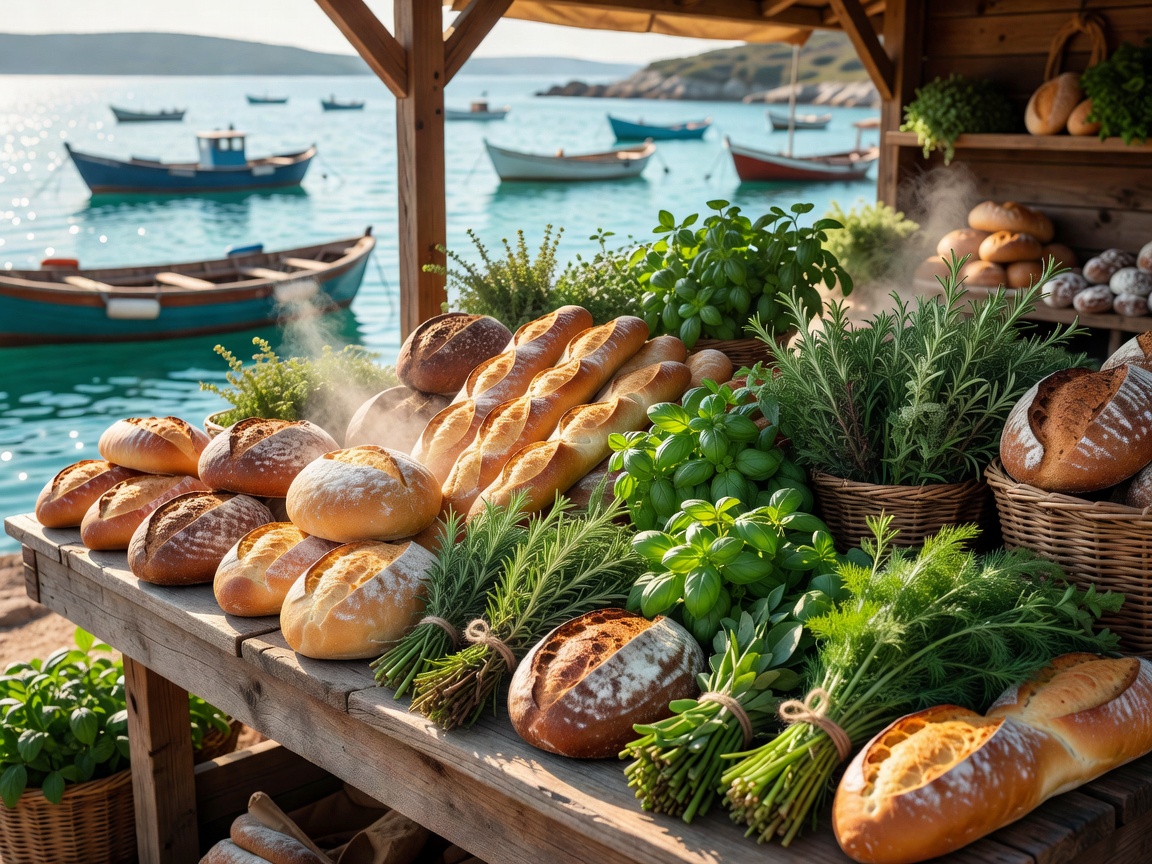
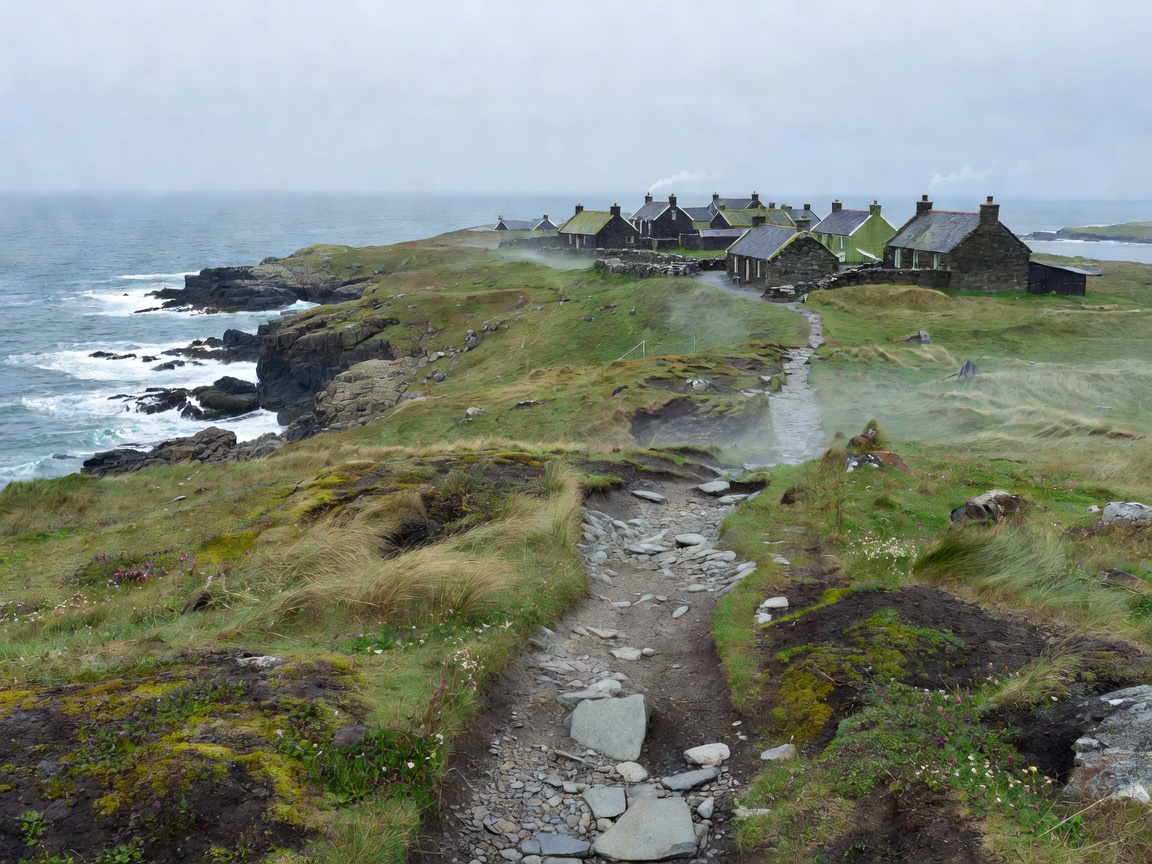
On northern islands, season can be felt at the table. The growing window is often more concentrated than in the Mediterranean, and the available produce changes with light, weather and local agriculture. That doesn't make the food austere; it gives fresh ingredients and carefully kept foods a particular place in everyday cooking.
Bornholm, off Denmark, has its own island landscape and food identity. Gotland, in the Baltic Sea, brings another set of regional conditions and traditions. Åland's archipelago setting is distinct again, with food shaped by island life and its relationship to the surrounding waters. Nordic islands and Baltic islands are broad descriptions, not single culinary regions. The North Atlantic adds different influences; Icelandic food traditions belong to their own geography, history and climate, and shouldn't be used as a stand-in for Baltic cooking.
A cooler-climate pantry
Depending on island and season, meals may draw on fish and shellfish, potatoes, rye and other grains, dairy, berries, roots and leafy greens. Smoking, pickling, salting and other preservation methods have practical roots: keeping food through a long winter matters. Today, those techniques may appear in homes and restaurants in both familiar and modern forms.
Look for how a restaurant talks about season. Does the menu shift? Are preserved ingredients treated as part of a dish's flavor rather than a novelty? A small seasonal menu can reflect local availability, but a menu's size alone doesn't confirm where ingredients come from. Ask respectfully if sourcing is important to you.
Atmosphere and dining styles
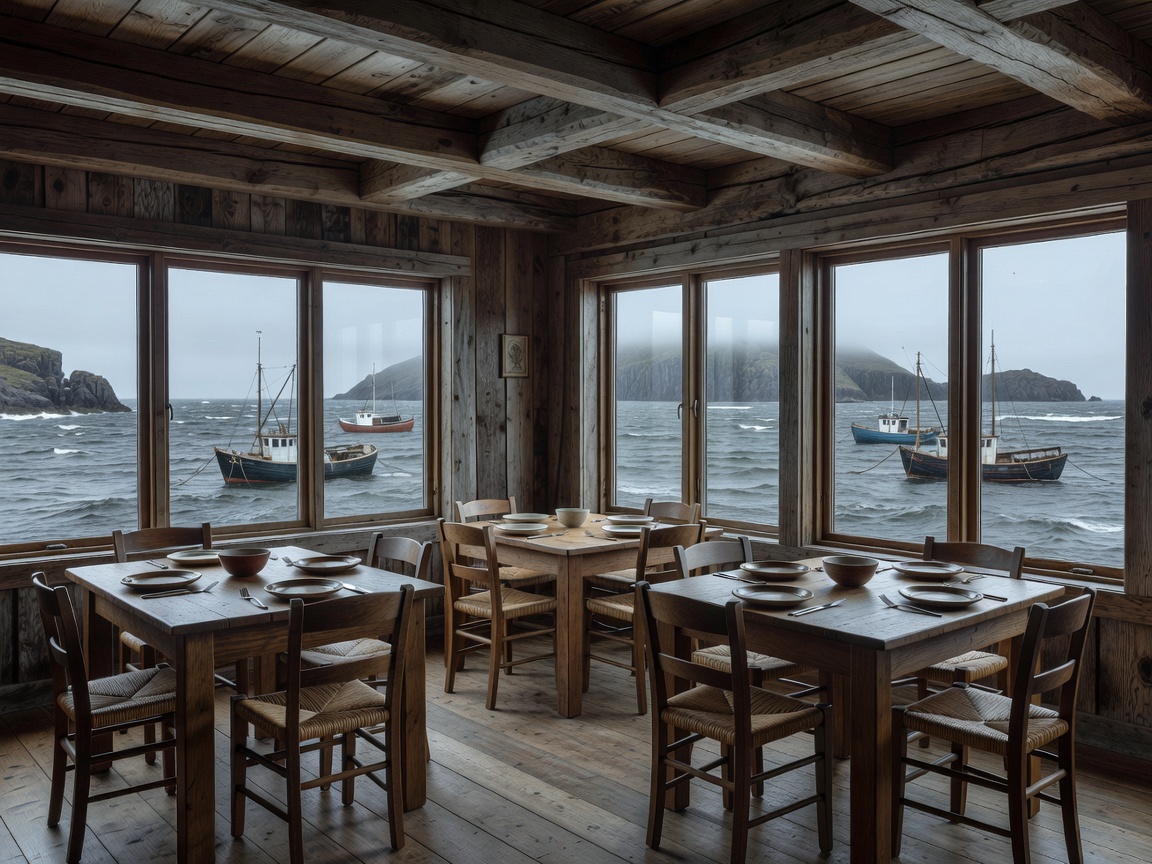
Restaurant settings vary from compact town dining rooms and casual harbor cafés to contemporary kitchens with carefully composed menus. A local café may make a good place to try a simple fish lunch or a baked treat; a more formal room may explore preservation, vegetables and regional produce in a longer meal. Rural and seasonal venues can have limited schedules. Check the current details directly before making a special journey.
Compared with warmer island destinations, outdoor dining may depend more on the weather and the season. In return, a market visit, a walk through a harbor town and a meal built around the day's conditions can feel especially connected. In shoulder seasons, fewer visitors can mean a quieter experience, but some businesses may operate reduced hours or close temporarily.
Regional comparison
Use Bornholm as a specific Danish island reference, Gotland as a Swedish Baltic one, and Åland as a Finnish autonomous island region with its own character. Don't assume dishes, ingredients or restaurant customs transfer neatly between them. Nordic islands may share some broad food themes—seasonal produce and preserving, for example—while local histories and ecosystems remain different. Iceland offers useful North Atlantic context but is a separate destination with distinct food traditions.
Advantages and trade-offs
- Good to look forward to: season-led ingredients, interesting preserved foods, rye and dairy traditions, and intimate dining rooms.
- Plan around: changeable weather, limited transport, smaller off-season schedules and the need to confirm availability.
- Bring curiosity: ask what is local and seasonal rather than expecting a fixed list of dishes everywhere.
Good for
Travelers who enjoy seasonal cooking, quieter coastal towns, bread and dairy traditions, and the story behind preservation.
What to know
Current opening schedules, ferry connections and restaurant availability are changeable. Check operators and venues directly; this guide doesn't provide live timetables.
Make the season work for you
Choose a travel window based on what you want to experience, then confirm what will be open. If a market is central to your plans, check its current schedule rather than relying on a general seasonal assumption. Reserve ahead when appropriate, but leave breathing room for a local café or a walk that changes your dinner plan. For seafood, ask about the day's offering and preparation; menus can reflect conditions at the time.
Keep exploring
Compare northern tables with Mediterranean island restaurants, browse seafood and coastal dining, or start planning with our food trip guide.