A shared sea, not a shared menu
Olive oil, citrus, herbs, vegetables and seafood appear across parts of the Mediterranean, but their meaning changes from island to island. Soil, elevation, rainfall, trade routes and local custom all matter. Even neighboring communities may have distinct ingredients and ways of cooking. Treat a regional dish as a starting point for curiosity rather than proof that every island eats alike.
Sicily's food reflects a long history of exchange and strong regional identities; ingredients and dishes differ between its towns and countryside. Sardinian cooking has its own grain, cheese and pastoral traditions alongside its coastal food. Mallorca and Menorca share an island setting but have individual culinary histories, local produce and restaurant scenes. On Malta and Gozo, Mediterranean influences meet a distinct island identity. Crete's produce and everyday cooking belong to a particular Greek regional culture, while the Greek islands more broadly vary substantially by island. Cyprus and Corsica, too, have their own combinations of agricultural, coastal and historical influences.
What you might find at the table
Look for the ingredients that make sense in the place and season: local vegetables, citrus, olives, herbs, grains, dairy, pulses and fish. How those ingredients are treated tells you as much as the list itself. A village kitchen may favor familiar, slow-cooked food; a contemporary dining room might reinterpret local produce with a lighter touch. Neither is automatically more authentic. Both can be part of a living food culture.
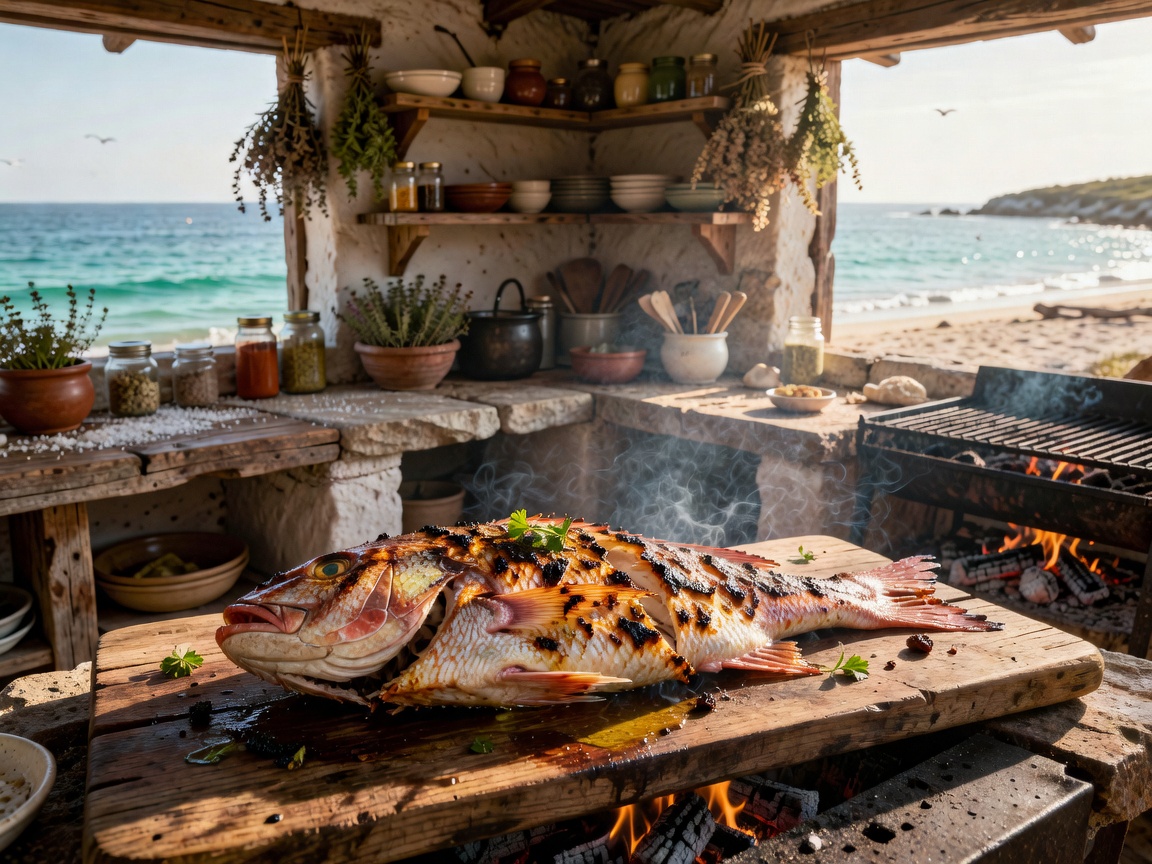
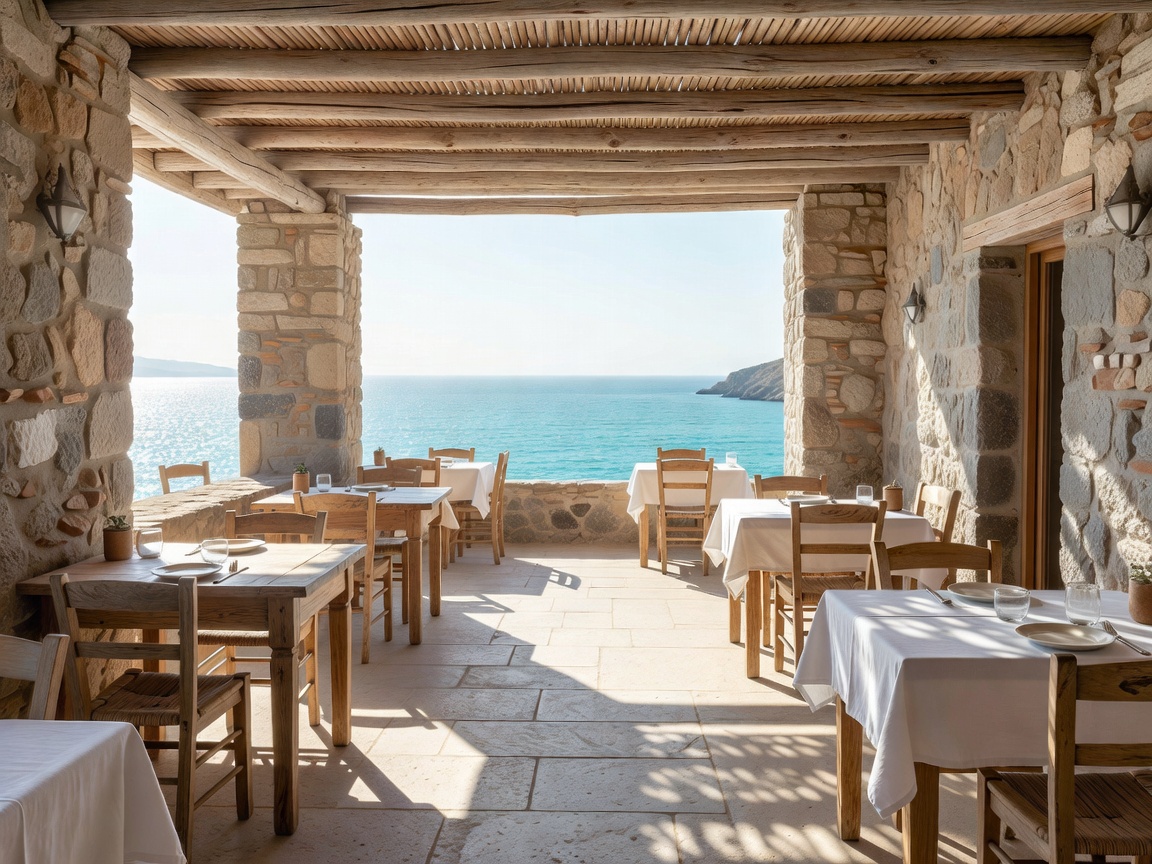
Seaside dining can be relaxed and informal, with the water close by and the meal built around what's available. In a village, the atmosphere may be quieter and the menu shaped by inland agriculture as much as the coast. In a city or resort, restaurants can draw from local traditions while serving a broad mix of visitors. The address alone doesn't tell you what the kitchen values, so read menus and descriptions carefully.
Choosing a dining style
- Village restaurants: a good way to look for everyday regional dishes, though menus and service rhythms may be limited or seasonal.
- Waterfront tables: memorable for setting and a natural fit for coastal food; compare menus rather than assuming every waterside place specializes in local catch.
- Contemporary kitchens: useful for seeing familiar ingredients interpreted differently. Ask how a dish connects to the region if that context matters to you.
- Markets and bakeries: often an accessible window into daily habits, from breads and pastries to fruit, cheese and prepared foods.
Regional comparison, lightly held
Think of Sicily and Cyprus as places where history and geography meet in distinctive ways; Sardinia as a destination with strong inland as well as coastal food traditions; Mallorca and Menorca as related but not interchangeable; and Crete and the other Greek islands as a varied set of local kitchens rather than a single “Greek island menu.” Malta and Gozo reward the same island-by-island approach. Corsican cooking also has a clear relationship with its land and coast. These are broad lenses, not a substitute for local detail.
Pros and trade-offs
Why it can suit a food-focused visit: markets, agricultural landscapes and coastal communities can all be part of one trip, and familiar ingredients appear in strikingly different combinations. What takes a little effort: transport between towns can affect meal plans, seasonal schedules may change, and a popular waterfront location isn't a guarantee of a locally focused menu. Research the region, then leave room for a bakery, market or unplanned lunch.
Good for
Travelers who like to compare regional cooking, browse markets, take long lunches and learn why an ingredient belongs to a particular island.
What to know
Opening schedules, menus and availability can change. Check directly with venues, especially outside peak season, and mention dietary needs before ordering.
A useful way to choose
Read menus for named local ingredients and dishes, not just broad labels such as “Mediterranean.” Notice whether the restaurant describes its sourcing and seasonal changes in specific terms. Ask a local baker, shopkeeper or host what people eat nearby, while remembering that personal recommendations are one person's perspective. A little context usually leads to a more interesting meal.
Keep exploring
Compare this region with Northern Island Dining, learn more about Island Local Cuisine, or use our food trip planning guide.